Sterling silver: What is it?
.925 vs .999 silver
Sterling silver and fine silver are two distinct types of silver used in jewelry and various decorative items, each with its own unique properties and applications. Fine silver, which is composed of 99.9% pure silver, is known for its bright, lustrous appearance and resistance to tarnishing. However, due to its softness, fine silver is not ideal for items that require durability, as it can easily scratch or bend. This high purity makes fine silver a popular choice for intricate designs and pieces that are not subjected to heavy wear, such as certain types of jewelry and art objects.
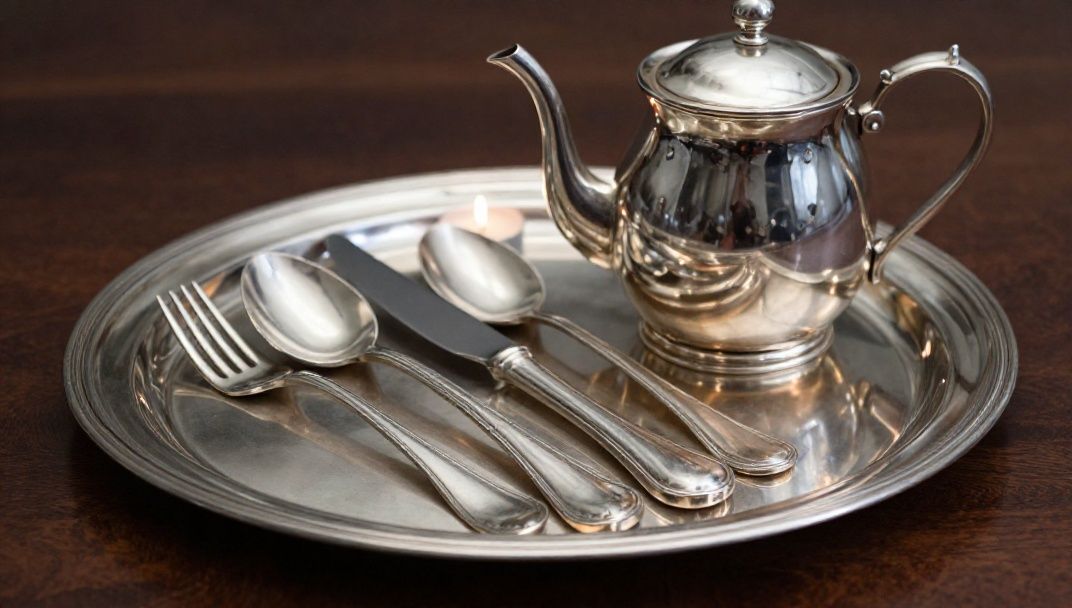
On the other hand, sterling silver is an alloy that consists of 92.5% silver and 7.5% of other metals, typically copper. This combination enhances the metal's strength and durability, making it more suitable for everyday items like jewelry, cutlery, and household goods. The addition of copper not only increases the hardness of sterling silver but also contributes to its characteristic warm tone. While sterling silver may tarnish over time due to the presence of copper, it can be easily polished to restore its shine, making it a practical choice for items that are frequently used.
In summary, the primary difference between sterling silver and fine silver lies in their composition and resulting properties. Fine silver, with its high purity, offers a beautiful finish but lacks the durability needed for everyday use. In contrast, sterling silver strikes a balance between beauty and practicality, making it the preferred choice for a wide range of applications. Understanding these differences can help consumers make informed decisions when selecting silver items, ensuring they choose the right type for their specific needs and preferences.